































Strings Review: Hooroo Jackson’s AI Film Offers a Fascinating but Imperfect Glimpse of Cinema’s Future
Strings will likely hold a special place in cinema history — not necessarily for being the best at what it attempted, but for daring to attempt it in the first place.

Strings
Director: Hooroo Jackson
Critic’s Rating: ★★★ (3/5)
Duration: 1 hour 14 mins
Genre: Photoreal AI feature film
Language: English
Release: March 2026
Where to watch: Here
What’s it about?
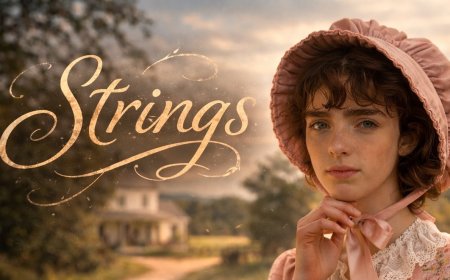
Strings is the first ever completely AI photoreal live-action passing feature film about four sisters in the Antebellum South who want to break free from the rigid social world of their deeply patriarchal household.
The film also comes with a randomized ending — one happy and one tragic — where an algorithm decides which climax you get to see. Watch it here
Review
The world as we know it is changing, and so is cinema — thanks largely to the advent of artificial intelligence and the rapid progress this technology continues to make. For quite some time now, we have often wondered if AI will completely transform the way cinema is made. Will it erase the need for humans performing both on and off the screen? Will it be as real, as entertaining, and as immersive as the films we have experienced so far? Will it feel like a lived-in story, or simply a collection of artificial actors delivering dialogue in scenes stitched together by machines?

Writer-director Hooroo Jackson’s innovative and first-of-its-kind photoreal AI film sits right at the precipice of this crucial moment in filmmaking. It marks the first time a filmmaker is presenting audiences with what a fully AI-generated feature film might look and feel like — where photoreal machine performances are designed to pass as real human actors.
And the result? It evokes a wide range of emotions: fascination, confusion, and a striking mix of hope and fear about the possibilities of what lies ahead.
The lead character, Nellie Beaufort, is a sustained AI performance unlike anything seen before in a feature-length film. While one can still tell the difference between the real and the artificial, what Jackson manages to demonstrate is the possibility of creating a full-length film without studios, large crews, expensive equipment, massive budgets, or the traditional economic infrastructure that filmmaking usually demands.
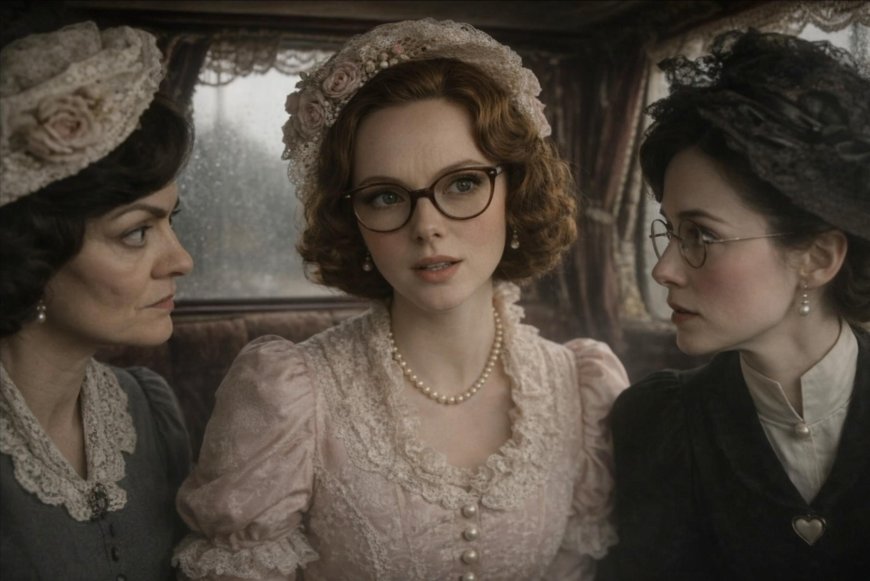
The film also introduces a fascinating narrative twist — a randomized climax. In what may be the first example of its kind in cinema history, the audience does not know which ending they will receive. One version offers hope, while the other leans into tragedy. The final choice is left entirely to an algorithm.
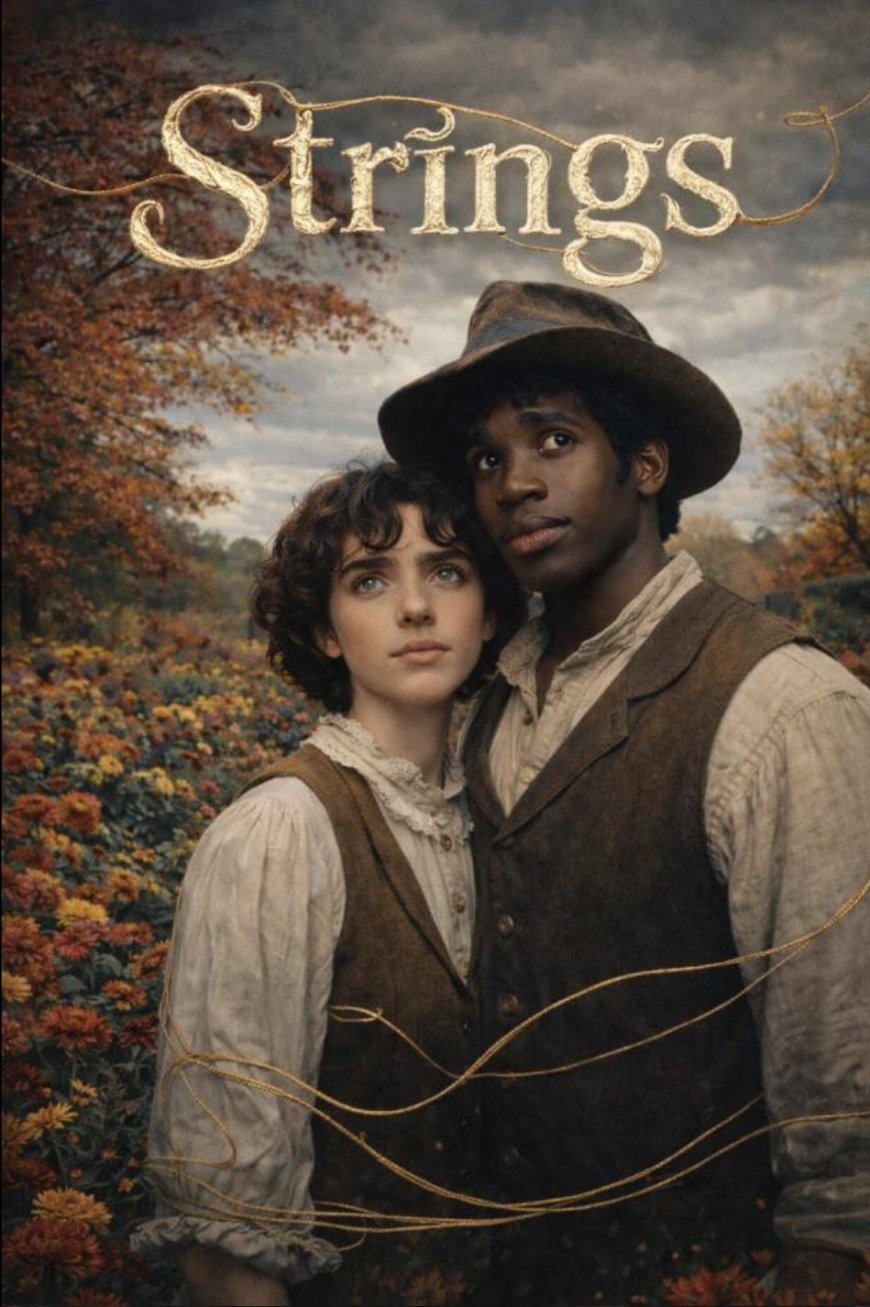
While Jackson’s attempt to move away from traditional filmmaking methods is certainly commendable, the final result may not be something a conventional cinemagoer can easily embrace. Strings is a sanitized, visually appealing film filled with beautiful faces that look convincingly real and deliver their dialogue loudly and dramatically. But do these performances create a lasting emotional connection with the audience? Unfortunately, the answer is largely no.

That said, the film still inspires a sense of wonder and curiosity. It hints at the future of cinema and raises questions about how AI filmmaking might evolve in the coming years. Made on a shoestring budget of under $1,000 with a crew of just one, Jackson’s film almost demands to be viewed through the lens of experimentation rather than traditional filmmaking standards.
And for that reason alone, Strings will likely hold a special place in cinema history — not necessarily for being the best at what it attempted, but for daring to attempt it in the first place.