













Mariana Ant Review: A Surreal Fable That Blurs Luck, Labour, and Fate
This is a short that will either find its audience completely — or not at all. There is no middle ground.
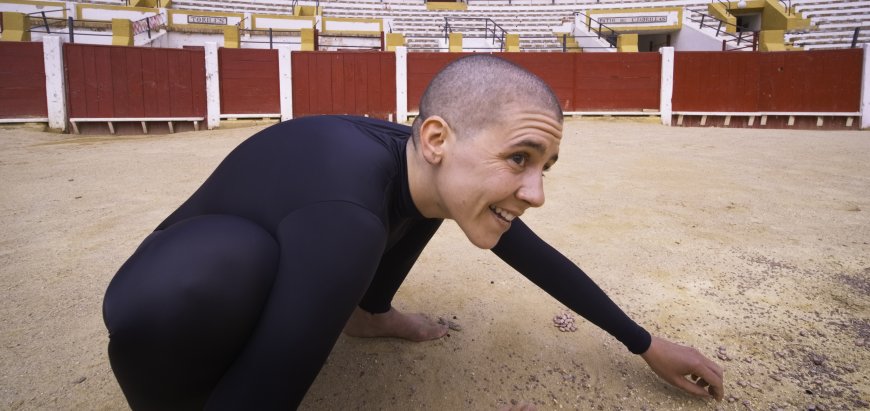
Cast: Isabel Ordaz, Úrsula Tomás Abril, Maite Uzal, Magüi Mira, Pepe Viyuela, Mariano Venancio, Alfonso Desentre
Directors: Maite Uzal & Rubén Pascual Tardío
Critic’s Rating: 3.5 Stars out of 5
Duration: Approximately 16 minutes
Genre: Short Film, Fable, Surreal, Experimental
Language: Spanish (with English subtitles)
Release: 2025
Synopsis
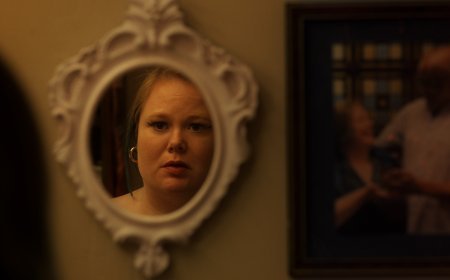
Set in the fictional region of Thorbat, inspired by present-day Teruel in Spain, Mariana Ant unfolds as a satirical fable about a beggar mother and her daughter who could not be more different. The mother is bitter, idle, and obsessed with the idea of becoming rich without effort, while her daughter Mariana is gentle, hardworking, and so fascinated by ants that she dreams of becoming one. When their wishes are unexpectedly granted by a mysterious, elegant woman, the outcome is anything but a fairy-tale ending.
Review
Mariana Ant is the kind of short film that doesn’t demand logic so much as interpretation. On the surface, it may appear strange, even nonsensical, but look beneath the imagery and symbolism and its central idea becomes strikingly simple: laziness and hard work exist side by side, and neither guarantees success. Luck, circumstance, and human contradiction play an equal role in deciding outcomes.
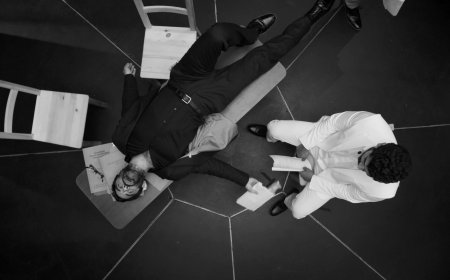
Loosely inspired by satirical traditions associated with Buñuel, Lorca, and Dalí, the film pays homage to the folklore and cultural textures of Spain’s Aragon region. Directors Maite Uzal and Rubén Pascual Tardío build a surreal world that feels both theatrical and deeply imagined, rooted in an old Spanish town that exists more in spirit than geography.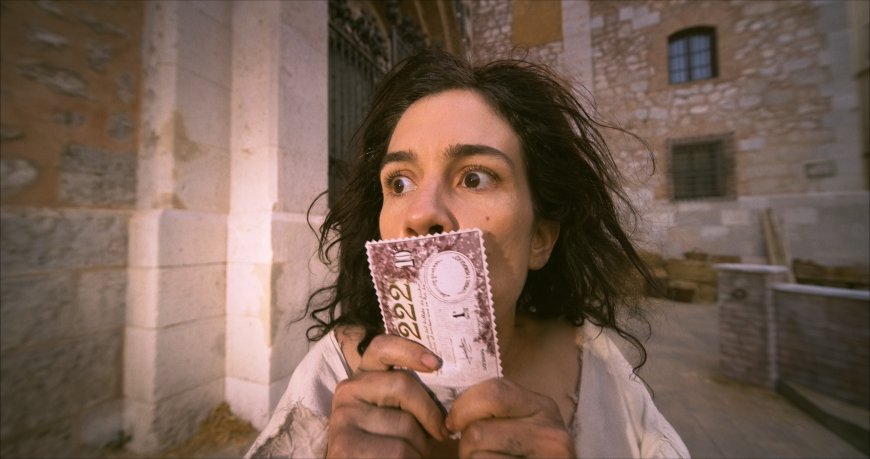
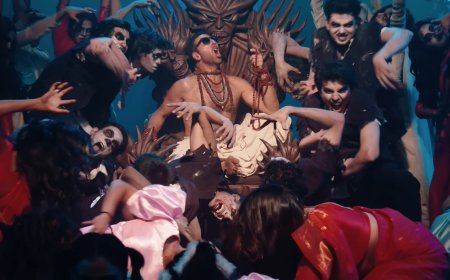
Performances across the board are deliberately exaggerated, almost operatic, but this appears intentional. The film functions more like a staged moral play than a naturalistic drama, using heightened emotion and expression to hammer home its themes. The opening line, “Once upon a time,” is not decorative — it sets the tone for a fable that asks viewers to temporarily abandon realism and reconnect with the naïve curiosity of childhood.
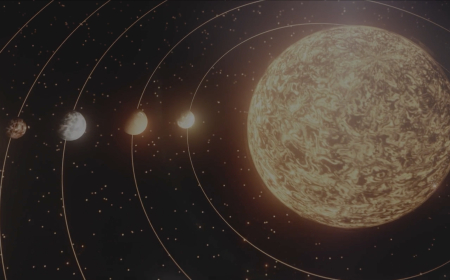
Cinematographer Ismael Issa deserves special mention for visually translating this vision. His imagery immerses the audience in a timeless, storybook-like atmosphere that supports the film’s allegorical ambitions.
Ultimately, Mariana Ant is as experimental as it is universal. With a runtime of just 16 minutes, it commits fully to its vision, knowing well that it won’t resonate with everyone.